
Zeeva's mission
To care for one another, bring light to the world, and advance trauma-informed, whole-person mental health: one life, one family, one community at a time.
is to provide quality, accessible, and personalized behavioral health services so you can live your best life.
The Zeeva Approach
Eclectic, whole-person therapy paints the Zeeva approach. We draw from over 30 different evidence based practices.
Your Zeeva therapist provides highly individualized care that celebrates your personality, culture, genetic makeup, identity, relationships, mind and body, past and present.
Draw your masterpiece with ‘paint’, motivation, and the guidance of our team of clinicians.
You deserve to live your best life.

Who we help:

Individuals

Couples
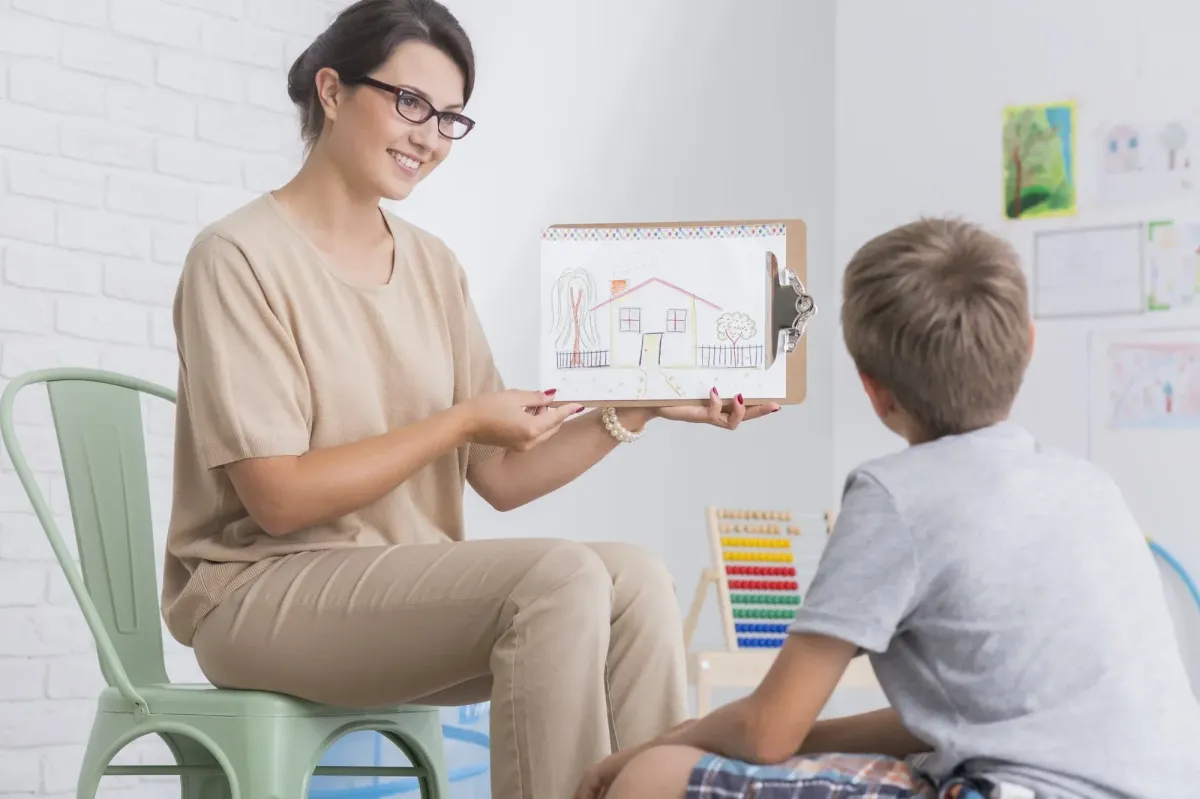
Children

Families

Seniors

Individuals

Couples

Children

Families

Seniors
Tools we use:
Click each evidence based theory to learn more
Attachment
Based on John Bowlby’s theory of attachment, recognizes the significance of a secure attachment between infants and their caregivers
psychodynamic
Insight-oriented, explores the roots, the past and unconscious processes
psychoanalytic
The origin of psychology which began with Sigmund Freud in the late 19th century, develops awareness of the unconscious and maladaptive behavior
culturally sensitive
Awareness of cultural context and their impacts
cognitive behavioral
Pioneered by Aaron Beck, focuses on identifying and changing unhelpful thoughts and behaviors to improve the way that clients think, feel, and act.
emotionally focused
Helps understand and improve emotional responses, through coping skills and emotional regulation
dialectical behavioral
Helps understand and improve emotional responses, through coping skills and emotional regulation
narrative
Through narrating, one can separate themselves from their problems and view their stories in a new light
gestalt
Originated by Frederick (Fritz) and Laura Perls in the 1940’s, combines holistic and humanistic approaches to increase self-awareness in the present moment
exposure response prevention
Primarily used to treat OCD through facing and overcoming fears and anxieties
acceptance and commitment
Action-oriented, teaches mindfulness and acceptance strategies
gottman
Couples therapy developed by Drs. John and Julie Gottman
solution focused
Goal-oriented and collaborative approach that focuses on solutions
humanistic
Recognizes and builds upon the importance of being one’s true unique self in order to lead one’s most fulfilling life
expressive arts
Utilizes the power of art and creativity as a tool for self-expression and self-discovery
imago
An approach that provides insights into relationships, by Harville Hendrix and Helen LaKelly Hunt
loss & grief
Five stages of grief originated from Kubler-Ross
EMDR
Eye Movement Desensitization and Reprocessing therapy is a method of psychotherapy proven to help people heal from trauma and other difficult life experiences.
Person Centered
First developed by Carl Rogers, uses an empathic and non-judgmental approach to uncover one’s own answers and truths
Parent-Child Interaction
Aims to help caregivers improve communication and relationships with their children who struggle with challenging behavior
interpersonal
Strives to improve interpersonal relationships and social functioning
existential
Discovers clients’ unique self-identity with an emphasis on philosophical meaning
integrative/holistic
Looks at the whole person, not just evaluating symptoms
trauma-focused CBT
Addresses the needs of children and teens struggling with trauma
trauma informed
Recognizes and acknowledges the impact of trauma and creates a safe place to process trauma
somatic
Utilizes techniques that improve mind-body connection to promote emotional and physical well-being.
family systems
Understands and resolves problems in the context of the family unit
psychosocial development
a theory developed by Erik Erikson, that identifies 8 stages experienced through the lifespan
structural family
A whole-family approach developed by Salvador Menuchin which strives to improve family dynamics and interactions
relational
Incorporates the idea that strong and fulfilling relationships with others can help maintain emotional well-being
personality
theories from Carl Jung and Isabel Briggs Myers explore different personality types
Internal Family systems
ACT blends mindfulness and acceptance with values-based committed action to build psychological flexibility.
and more
At Zeeva, we are constantly learning and growing. Currently, we are training on EMDR.
About
Our group of diverse therapists integrate a variety of eclectic interventions, constantly invest in the latest therapeutic tools, practice what we preach, and give back to our communities.
Office Locations
-
West Los Angeles
11500 W. Olympic Blvd, Ste. 400, Los Angeles, CA 90064
-
Studio City
11712 Moorpark Street, Ste. 101, Studio City, CA 91604
-
Teletherapy
Across California
Copyright © 2025 Zeeva Behavioral Health